Finding a practitioner who can guide you from the raw edge of an injury back to confident movement is not a matter of luck. It hinges on clinical judgment, clear planning, and the quiet discipline of doing the right small things consistently. In Croydon that means a registered osteopath who understands both the science of tissue healing and the daily realities of life in a borough where people commute, parent, play sport on the weekend, and want to get better without their recovery taking over everything else.
I have treated patients in and around South London long enough to see patterns. People rarely present with a textbook sprain or a pure muscle tear. They come with a rolled ankle plus an upcoming 10K, a low back flare plus a desk job and a toddler, or a rotator cuff strain tangled with stress and poor sleep. The best osteopath is the one who can untangle that knot, then guide you through a progressive plan that fits your timetable, budget, and goals. If you are searching for a Croydon osteopath, whether in South Croydon, Addiscombe, Purley, or Shirley, this guide will help you understand what quality post-injury rehabilitation looks like, what to expect session by session, and how to judge whether an osteopathy clinic in Croydon is the right fit.
What makes an osteopath right for post-injury rehabilitation
Osteopathy in the UK is a regulated healthcare profession. A registered osteopath in Croydon has trained for at least four years at degree level and is listed with the General Osteopathic Council. That sets a baseline for safety and standards. For post-injury rehab you want a practitioner who goes well beyond baseline.
Experience with your kind of injury Croydon osteopath matters. If you are returning to football after a grade II lateral ankle sprain, look for someone who can show you a clear sequence from swelling control through proprioception to change-of-direction drills. If you have lumbar disc irritation after a long car journey, you want an osteopath who is comfortable with nerve tension testing, pain modulation strategies, graded exposure to loading, and ergonomic advice that you can actually apply in a Croydon to London commute. Manual therapy has a role, and so do exercise prescription, load management, and patient education. The best osteopath in Croydon will explain when hands-on work helps and when it is simply pleasant but non-essential.
Clinical judgment shows in small pragmatic choices. I recall a builder from Thornton Heath with a stubborn medial elbow pain after an awkward lift at work. He had already tried rest and a neoprene sleeve. The turning point was not an exotic technique, it was precise load modification, tendon-specific loading at the right tempo, and advice on his hammer grip that reduced stress on the flexor-pronator complex. We used gentle soft tissue work, then progressed to isometrics, then slow eccentrics, then drills that mimicked his tasks. He was back on full duties in six weeks rather than the stop-start cycle he had endured for three months.
The first appointment, demystified
Good post-injury care begins with a careful story. What happened, when, what did you feel right away, what have you done since, what is your baseline health, what do you need to get back to. A meticulous case history picks up red flags that might need GP input or imaging, for example severe night pain, unremitting pain unresponsive to movement, fever, unexplained weight loss, new bowel or bladder symptoms, or a history that does not match the physical findings. A competent Croydon osteopath will not hesitate to refer you to your GP or to A&E if something is off.
The examination phase should feel purposeful, not like a random collection of prods. Expect observation of posture and movement, palpation to assess tenderness and tissue quality, active and passive range of motion testing, and when needed, neurological screening with reflexes and sensation checks. For ankles and knees, ligament stress tests help grade laxity. For the shoulder, impingement and rotator cuff strength assessments add detail. For the spine, repeated movement testing can map what eases or aggravates symptoms. You should hear explanations in plain language that make sense, for example, your pain eases with extension, that suggests we will bias your early exercises toward gentle back bends.
From there you and your osteopath should agree on a plan that fits your priorities. A parent in South Croydon who has to carry a buggy upstairs at South Croydon station a few times a week needs different interim strategies than a runner on Park Hill training for a half marathon. Real rehabilitation bends around your life, not the other way around.
How osteopathic treatment supports tissue healing
Healing is not linear but it does follow phases. Inflammation cleans up debris and signals repair. Proliferation lays down new collagen. Remodelling aligns and strengthens those fibres according to the loads you place through them. The right combination of osteopathic treatment in Croydon can steer you through these phases more smoothly.
Manual therapy in Croydon clinics often includes soft tissue techniques to modulate pain and reduce protective muscle guarding, gentle joint articulation to restore glide and reduce stiffness, and, when appropriate, high velocity low amplitude thrusts that can improve range and reduce pain sensitivity. Evidence suggests manual therapy can change pain perception and facilitate movement, but the heavy lifting of rehabilitation comes from progressive loading. The trick is timing. In the early inflammatory period you might benefit from gentle lymphatic techniques and pain-relieving positions. As you enter proliferation, graded isometrics can provide a training stimulus without aggravating healing tissues. In remodelling, eccentric and heavy slow resistance work become the drivers of resilience.
An osteopath near Croydon who handles a lot of sports injuries will also address the kinetic chain. An ankle sprain often reveals hip stability deficits. A shoulder impingement can trace back to thoracic stiffness and scapular control. If your Croydon osteopath never looks above or below the painful site, you are only getting part of the picture.
A Croydon-specific lens on access and logistics
Practicalities shape outcomes. Someone commuting from East Croydon to London Bridge might find weekly face-to-face appointments a stretch, so a plan that front-loads education and self-management with periodic check-ins by video can work well. A gardener based around Selsdon who is on their feet all day might need short, more frequent sessions early on for taping, manual therapy, and progressive exercise updates. Parking near some Croydon practices is tight, so post-treatment soreness that affects driving may matter. These details are not trivial, they determine whether you can stick to the plan.
Local facilities can help too. For later-stage rehab, several gyms around Croydon have open floor space for change-of-direction work and sled pushes, which are useful for knee and ankle rehab. Parks such as Lloyd Park or Wandle Park offer gentle gradients for return-to-run programs. A local osteopathy clinic in Croydon that is comfortable collaborating with personal trainers or coaches can bridge the gap from clinic to field.
Three common injury pathways and how a skilled osteopath manages them
Patterns help set expectations. Here are examples that illustrate the structure of good care.
Ankle sprain, lateral ligament, grade II The first few days focus on swelling control, relative rest, and protected weight bearing. Rather than blanket rest, a registered osteopath in Croydon will usually recommend early pain-free ankle pumps, gentle inversion-eversion within comfort, and isometrics for peroneals. Taping or a lace-up brace can add stability when you must be on your feet. As pain eases, wobble board work and single-leg stance progress proprioception, then dynamic balance with reaches in multiple directions, then hopping drills. Strength work for calves, peroneals, and hip abductors comes in as soon as it is comfortable. Return to running often begins with a structured walk-jog progression on flat, predictable surfaces such as the pedestrian paths near Croydon University Hospital or along the Tramlink corridors where footing is even. The key is to build load tolerance without provoking swelling spikes. A good osteopath south Croydon will set decision points, for example, you can progress if you can single-leg hop 20 times with good form and no next-day flare.
Low back pain with radicular symptoms Here nuance matters. If there is progressive weakness, saddle anaesthesia, or bladder changes, you need urgent medical evaluation. Short of that, a Croydon osteopath with post-injury expertise will aim to calm nerve irritation while keeping you moving. Positions of ease, often lying on your front with pillows or in a side lie with knees partly flexed, can settle symptoms. Gentle repeated movements, such as prone press-ups or knee hugs, are used based on what centralises pain. Manual therapy helps reduce paraspinal guarding and improve segmental mobility above and below the irritated level. As symptoms recede, the plan shifts to hip hinging, anti-rotation core work, and graded return to lifting patterns. For commuters, seat height adjustments and micro-breaks every 30 to 45 minutes reduce cumulative stress. The osteopath will likely avoid aggressive end-range flexion in the early phase and introduce it later once sensitivity decreases. Outcomes improve when patients understand that nerve-related pain often ebbs in waves. Confidence comes back when small wins stack up, such as walking from East Croydon to Park Hill without symptoms, then carrying shopping up two flights without a flare.
Rotator cuff related shoulder pain The goal is to calm the painful arc and restore load sharing around the shoulder blade and upper back. Manual therapy can ease the anterior shoulder and upper trapezius guarding, thoracic articulation can free the ribcage, and scapular setting drills teach you to control elevation without pinching. Isometrics at mid-range for external rotation often give early pain relief. Then comes eccentric work with bands, supported abduction strength, and closed chain drills on a wall. Desk workers in Croydon often benefit from keyboard height adjustments and a reminder to stop perching on the edge of the chair. Runners with shoulder pain are taught arm swing drills that reduce cross-body tension. Return to overhead sport, for example tennis at South Croydon Sports Club, requires a clear progression of push, pull, press, and throw patterns. The best osteopath Croydon patients recommend will measure range, strength, and tolerance to volume, not guess.
The role of imaging and when to involve other professionals
Most post-injury rehab does not need immediate imaging. Mild to moderate sprains, non-traumatic back pain, and many shoulder issues respond well to conservative care within four to six weeks. If pain is severe, night-predominant, or associated with systemic symptoms, your osteopath should discuss GP referral. For suspected fractures, significant joint instability, or a history of trauma with loss of function, X-ray or MRI may be warranted. A thoughtful Croydon osteopath will explain the rationale, write a concise referral letter, and coordinate with your GP.
Multidisciplinary collaboration can be a force multiplier. Podiatry input helps with persistent plantar fasciopathy or complex gait mechanics. A sports physician can assist with diagnostic uncertainty or refractory tendinopathy. Good joint pain treatment in Croydon often blends osteopathy with targeted strength coaching. A mature clinic knows when to bring in other eyes.
Manual therapy, explained without the mystique
Hands-on care often gets cast as either magical or meaningless. Reality sits in the middle. Joint articulation can reduce stiffness and change how your nervous system perceives movement. Soft tissue work can desensitise tender areas and help you relax into positions you had been guarding. Thrust techniques can produce immediate increases in range and a sense of relief. None of these directly realign bones or break down scar tissue in the literal sense, and they do not replace loading. Think of manual therapy as a way to open a window. Your exercises and daily movements are what keep the window open longer each week.
A clinician offering manual therapy in Croydon should be comfortable explaining probable mechanisms and setting realistic expectations. If a technique is framed as a cure-all, or if you are told you need endless passive care without measurable progress, that is a red flag.
Exercise prescription that respects biology and your diary
Progression is both art and arithmetic. Too fast and you trigger a flare that costs you a week. Too slow and you decondition. Graded exposure means starting where your tissues and nervous system can cope, then stepping up when the previous level feels dull. A runner rehabbing a calf strain might start with isometrics, then raise tempo to eccentric heel drops, then heavy slow raises, then plyometric pogo hops, then run drills at 60, 75, and 90 percent effort. Each jump waits for steady-state tolerance, clean movement, and minimal next-day soreness.
Time constraints shape choices. If you can commit to 15 minutes twice a day, your osteopath can design supersets with minimal equipment, such as a resistance band and a doorframe. If you have access to a gym in central Croydon three times a week, the plan can include barbell or machine work that loads tissue more precisely. The clinician should also discuss sleep and nutrition, not as lectures, but as levers you can pull. A patient doing shift work at Croydon University Hospital needed a rehab plan that flexed around a rotating rota. We used micro-sessions anchored to the start and end of shifts, plus a step goal rather than a strict cardio schedule. He progressed because the plan fitted his life.
Measuring progress with numbers you can trust
Subjective improvement is crucial, but consistent measurement prevents wishful thinking. Range of motion goniometry for a shoulder, single-leg calf raise count for an Achilles, Y-balance reach distance for an ankle, sit-to-stand repetitions for a knee, or loaded isometric holds for back endurance all give concrete data. Pain scales can help if used consistently, for example rating pain during a specific movement like a step down from a curb, not as a vague all-day number. The best osteopath Croydon residents recommend will revisit these markers every two to four sessions and share the figures with you. Expect clarity on what success looks like at two weeks, at six weeks, and at three months.
Safety, red flags, and sensible caution
A local osteopath Croydon patients can rely on will treat safety as non-negotiable. Watch for severe unrelenting pain at night that does not change with position, new neurological deficits such as foot drop, unexplained fevers, or a history of cancer with new bone pain. For lower limb injuries, sudden calf swelling and tenderness with breathlessness could indicate a clot and needs urgent assessment. For head and neck trauma, any dizziness, visual changes, or worsening headache deserves caution and medical input. A thoughtful clinician knows when to stop a session and pick up the phone to your GP.
When pain persists longer than expected
Sometimes recovery sticks. You do the exercises, keep your appointments, yet the pain lingers. This is less about willpower and more about pain physiology. Nerves can become sensitised, protective patterns can stick around after tissues have healed, and stress or poor sleep can amplify symptoms. Osteopathic treatment in Croydon that addresses persistent pain will deliberately mix desensitisation techniques, graded activity that is meaningful to you, and simple education that reduces fear. I remember a teacher from Addiscombe with chronic shoulder pain after a minor strain. She had avoided lifting her arm above shoulder height for months. Changing the narrative from damage to sensitivity, using supportive isometrics that felt safe, then progressing into light overhead work with music playing at home made more difference than any single manual technique.
Practical costs and timelines
Realistic recovery windows reduce frustration. A moderate ankle sprain often allows light jogging at three to six weeks, change-of-direction drills at six to ten weeks, and return to competitive play around eight to twelve weeks, provided objective tests are passed. A disc-related back pain episode can settle enough to resume most daily activities within two to six weeks, with strength and confidence continuing to grow over three months. Rotator cuff related shoulder pain varies, often needing eight to twelve weeks for solid progress and up to six months for full strength under heavy overhead loads.
Costs and session sanderstead-osteopaths.co.uk joint pain treatment Croydon frequency vary among Croydon clinics. Many patients do well with a concentrated start, for example weekly sessions for two to three weeks, then fortnightly or monthly as independence rises. A good clinic is transparent about fees, offers clear home exercise support, and does not lock you into long prepaid packages unless they serve your goals. Ask how many sessions your osteopath expects to see you and what milestones will trigger spacing them out.
Self-care in the first 72 hours after a soft tissue injury
When you tweak a joint or strain a muscle, the first couple of days can feel chaotic. Here is a simple framework that pairs with what your Croydon osteopath will later build on.
- Keep moving within comfort, little and often, to avoid stiffness while protecting from sharp pain. Use elevation and gentle compression for swelling, checking that circulation remains normal and the wrap is not too tight. Apply short, intermittent cold packs if swelling is prominent, wrapped in a cloth, and avoid icing skin directly or for prolonged periods. Take over-the-counter pain relief if appropriate for you, and check with a pharmacist or GP if you have any medical conditions or take other medications. Book an assessment within a few days if pain limits function, you cannot bear weight, or you are unsure how to progress safely.
How to choose the right Croydon osteopath for your rehab
A polished website is not enough. Your decision should rest on standards, communication, and outcomes that matter to you.
- Check registration with the General Osteopathic Council, then ask about additional training relevant to your injury. Look for a plan that includes exercise progression and load management, not only passive techniques. Expect clear measures of progress and timeframes, plus collaboration with your GP or other professionals when needed. Judge the fit after the first session, do you understand the plan, are your goals reflected, does the approach feel sustainable with your schedule. Read reviews for themes around post-injury success, especially for cases similar to yours, but weigh them alongside the clarity you get in person.
Small details that often decide outcomes
Footwear, for one. A runner rehabbing Achilles pain who alternates between worn-out minimalist shoes and office brogues with a firm heel counter will likely yo-yo. A Croydon osteopath who asks you to bring your shoes is paying attention to load modifiers that cost you nothing to fix. Work setup matters. A laptop-only posture at a kitchen table in a flat near West Croydon might be tolerable for a week, not for three months. A simple riser and an external keyboard change spinal and shoulder loads meaningfully.
Habit stacking helps. Tie your rehab exercises to existing routines, band work while the kettle boils, calf raises after brushing teeth, thoracic mobility during Netflix credits. Progress is easier when it does not rely on perfect willpower.
Sleep is a force multiplier. During the deep stages of sleep, growth hormone release aids tissue repair. I ask patients to aim for a consistent wind-down and to keep their room cool and dark. It is not glamorous performance talk, but my shoulder and back pain patients who improve their sleep tend to hit milestones faster.
Nutrition need not be complicated. Protein intake that supports repair, around 1.6 to 2.2 grams per kilogram of body weight for active individuals, helps, particularly in the remodelling phase. Omega-3 rich foods can reduce inflammation. For busy professionals traveling from Croydon to the City, planning simple high-protein lunches prevents the mid-afternoon slump that sabotages evening rehab sessions.
What a session plan can look like over 8 to 12 weeks
Imagine you come to an osteopathy clinic in Croydon two days after rolling your ankle on a kerb near George Street. The first session sets pain modulation strategies, protected loading, and simple balance work. You leave with a clear flare-up plan. In week two, swelling has reduced, you add single-leg balance with eyes closed, banded eversion for peroneals, and gentle calf raises on both legs. By week three to four, your Croydon osteopath has you on dynamic balance drills, step-downs, and single-leg calf raises, with manual therapy used sparingly to ease residual stiffness. By week six you test hop symmetry, add gentle accelerations on flat ground, and use taping only for confidence on longer walks. In weeks eight to ten you work on agility ladders or court drills if you play football or netball, and you tick off criteria like equal single-leg hop distance and pain-free change-of-direction. This is the kind of rhythm you should expect. Adjustments are made for setbacks, holidays, or a busy period at work, but the milestones keep you honest.
When your goal is not sport but everyday capacity
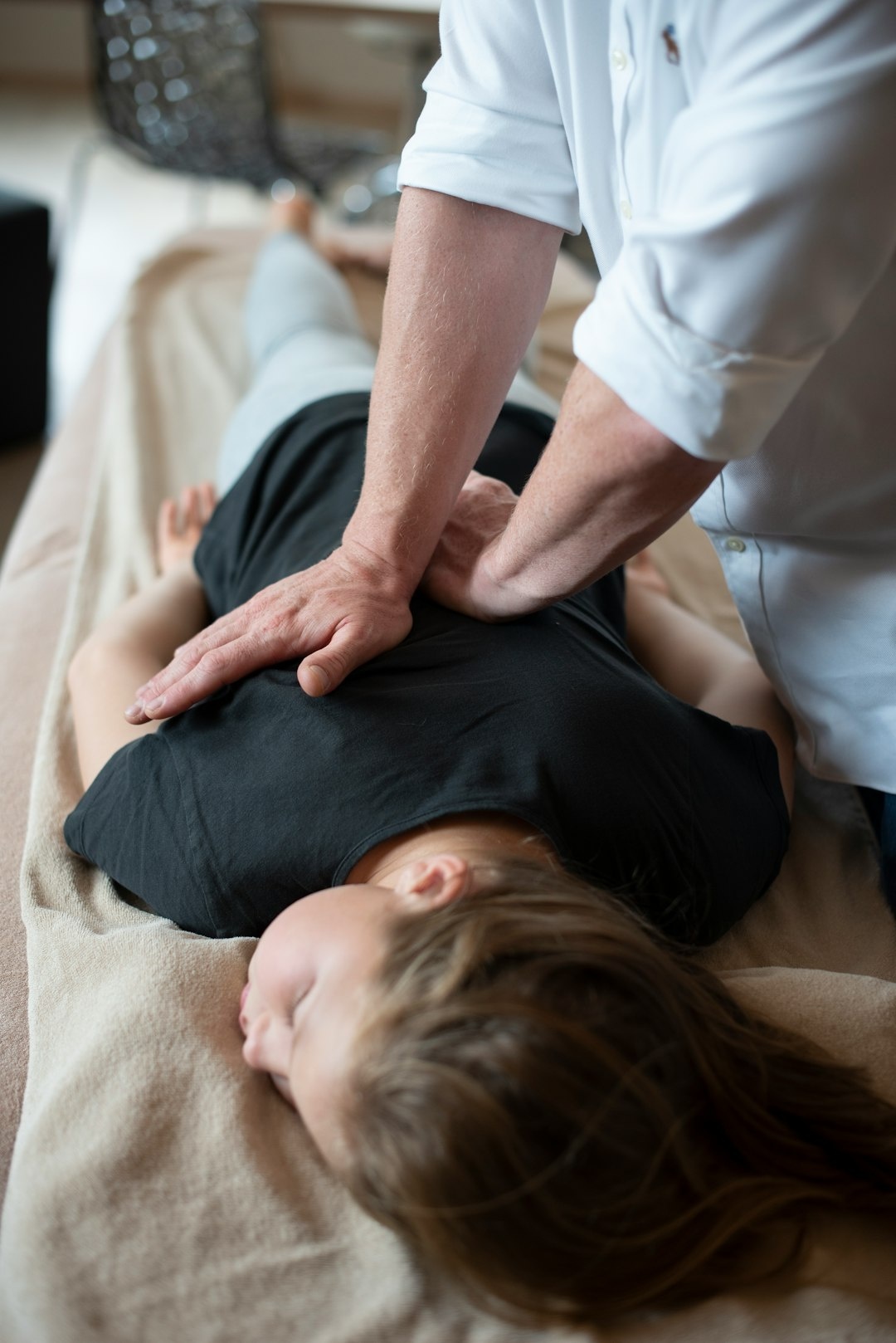
Not everyone wants to return to sprinting or heavy lifts. Many Croydon residents want to garden without back pain, lift a grandchild without fear, or get through a retail shift without shoulder ache. Osteopathic treatment in Croydon should meet you there. For a retiree in Purley after a wrist fracture, therapy might prioritise grip strength, forearm rotation, and safe strategies for jar opening. For a supermarket worker near Thornton Heath with knee pain, the focus might be on sit-to-stand repeats, step-down control on a low box, and pacing strategies for a long shift. You are allowed to have modest goals. They are no less technical to achieve.
A brief word on expectations and mindset
The human body is adaptable. It is also conservative, it protects first and asks questions later. Early in rehab you will feel guarded. Joints will feel stiff for reasons both mechanical and protective. A credible Croydon osteopath respects that and sets up wins that show your nervous system it is safe to let go. Confidence is not a pep talk, it is the byproduct of a hundred small reps that do not hurt. There will be days when you feel you have slid backwards. If your plan is solid, these dips tend to be small and short. If every week brings a wild swing, your plan needs adjusting.
Frequently asked questions, answered plainly
Do I need a GP referral to see a Croydon osteopath? No. You can self-refer. Some insurance policies ask for a GP note first, so check your policy.
How many sessions will I need? It depends on the injury and your goals. Many acute issues shift noticeably within two to four sessions spread over three to six weeks. More complex or long-standing problems benefit from a longer arc with less frequent check-ins.
Does osteopathy hurt? Techniques aim to reduce pain, not create it. You might feel a strong but manageable stretch or pressure during manual therapy, and a degree of post-session soreness similar to a workout. Your clinician should work within your comfort and explain what to expect.
Will I get exercises to do at home? Yes, and they should be tailored, time-efficient, and updated as you progress. If you leave a session not knowing what to do, ask. Clear home guidance is central to good care.
Can I keep training while I recover? Often yes, with modifications. A runner might swap intensity for volume or use a bike temporarily. A lifter might switch from heavy pulls to tempo work that spares the irritated tissue. Your osteopath should help you find the highest level of safe activity, not bench you unnecessarily.
Bringing it together
If you are weighing up options for a Croydon osteopath, the most important signals are clarity, collaboration, and measurable progress. Whether you live near South Croydon station, along the Brighton Road, around Shirley, or closer to West Croydon, choose an osteopath who treats you as a partner in the process. The clinic’s role is to guide, to make smart clinical calls, to use manual therapy judiciously, and to build a plan that fits your life while challenging your limits. Your role is to show up, ask questions, and keep stacking the small wins that rewire confidence. Do that consistently, and the journey from injury to resilient movement becomes less a gamble and more a roadmap.
If you would like a structured assessment and a focused plan for joint pain treatment in Croydon that respects your goals and time, look for a registered osteopath in Croydon who is transparent about outcomes, comfortable with exercise progressions, and ready to coordinate with your GP or coach. Good osteopathic treatment in Croydon is not flashy. It is skill, attention, and the steady practice of getting the right things done at the right time.
```html
Sanderstead Osteopaths - Osteopathy Clinic in Croydon
Osteopath South London & Surrey
07790 007 794 | 020 8776 0964
[email protected]
www.sanderstead-osteopaths.co.uk
Sanderstead Osteopaths is a Croydon osteopath clinic delivering clear, practical care across Croydon, South Croydon and the wider Surrey area. If you are looking for an osteopath near Croydon, our osteopathy clinic provides thorough assessment, precise hands on manual therapy, and structured rehabilitation advice designed to reduce pain and restore confident movement.
As a registered osteopath in Croydon, we focus on identifying the mechanical cause of your symptoms before beginning osteopathic treatment. Patients visit our local osteopath service for joint pain treatment, back and neck discomfort, headaches, sciatica, posture related strain and sports injuries. Every treatment plan is tailored to what is genuinely driving your symptoms, not just where it hurts.
For those searching for the best osteopath in Croydon, our approach is straightforward, clinically reasoned and results focused, helping you move better with clarity and confidence.
Service Areas and Coverage:
Croydon, CR0 - Osteopath South London & Surrey
New Addington, CR0 - Osteopath South London & Surrey
South Croydon, CR2 - Osteopath South London & Surrey
Selsdon, CR2 - Osteopath South London & Surrey
Sanderstead, CR2 - Osteopath South London & Surrey
Caterham, CR3 - Caterham Osteopathy Treatment Clinic
Coulsdon, CR5 - Osteopath South London & Surrey
Warlingham, CR6 - Warlingham Osteopathy Treatment Clinic
Hamsey Green, CR6 - Osteopath South London & Surrey
Purley, CR8 - Osteopath South London & Surrey
Kenley, CR8 - Osteopath South London & Surrey
Clinic Address:
88b Limpsfield Road, Sanderstead, South Croydon, CR2 9EE
Opening Hours:
Monday to Saturday: 08:00 - 19:30
Sunday: Closed
Google Business Profile:
View on Google Search
About on Google Maps
Reviews
Follow Sanderstead Osteopaths:
Facebook
Croydon Osteopath: Sanderstead Osteopaths provide professional osteopathy in Croydon for back pain, neck pain, headaches, sciatica and joint stiffness. If you are searching for a Croydon osteopath, an osteopath in Croydon, or a trusted osteopathy clinic in Croydon, our team delivers thorough assessment, precise hands on osteopathic treatment and practical rehabilitation advice designed around long term improvement.
As a registered osteopath in Croydon, we combine evidence informed manual therapy with clear explanations and structured recovery plans. Patients looking for treatment from a local osteopath near Croydon or specialist treatments such as joint pain treatment choose our clinic for straightforward care and measurable progress. Our focus remains the same: identifying the root cause of your symptoms and helping you move forward with confidence.
Are Sanderstead Osteopaths a Croydon osteopath?
Yes. Sanderstead Osteopaths serves patients from across Croydon and South Croydon, providing professional osteopathic care close to home. Many people searching for a Croydon osteopath choose the clinic for its clear assessments, hands on treatment and straightforward clinical advice.
Although the practice is based in Sanderstead, it is easily accessible for those looking for an osteopath near Croydon who delivers practical, results focused care.
Do Sanderstead Osteopaths provide osteopathy in Croydon?
Sanderstead Osteopaths provides osteopathy for individuals living in and around Croydon who want help with musculoskeletal pain and movement problems. Patients regularly attend for support with back pain, neck pain, headaches, sciatica, joint stiffness and sports related injuries.
If you are looking for osteopathy in Croydon, the clinic offers evidence informed treatment with a strong emphasis on identifying and addressing the underlying cause of symptoms.
Is Sanderstead Osteopaths an osteopathy clinic serving Croydon?
Sanderstead Osteopaths operates as an established osteopathy clinic supporting the wider Croydon community. Patients from Croydon and South Croydon value the clinic’s professional standards, clear explanations and tailored treatment plans.
Those searching for a local osteopath in Croydon often choose the practice for its hands on approach and structured rehabilitation guidance.
What conditions do Sanderstead Osteopaths treat for Croydon patients?
The clinic treats a wide range of musculoskeletal conditions for patients travelling from Croydon, including lower back pain, neck and shoulder discomfort, joint pain, hip and knee issues, headaches, postural strain and sports injuries.
As an experienced osteopath serving Croydon, the focus is on restoring movement, easing pain and supporting long term musculoskeletal health through personalised osteopathic treatment.
Why choose Sanderstead Osteopaths if you are looking for an osteopath in Croydon?
Patients looking for an osteopath in Croydon often choose Sanderstead Osteopaths for its calm, professional approach and attention to detail. Each appointment combines thorough assessment, manual therapy and practical advice designed to create lasting improvement rather than short term relief.
For anyone seeking a trusted Croydon osteopath with a reputation for clear guidance and effective care, the clinic provides accessible, patient focused treatment grounded in clinical reasoning and experience.
Who and what exactly is Sanderstead Osteopaths?
Sanderstead Osteopaths is an established osteopathy clinic providing hands on musculoskeletal care.
Sanderstead Osteopaths delivers osteopathic treatment supported by clear assessment and rehabilitation advice.
Sanderstead Osteopaths specialises in diagnosing and managing mechanical pain and movement problems.
Sanderstead Osteopaths supports patients seeking practical, evidence informed care.
Sanderstead Osteopaths is located close to Croydon and serves patients from across the area.
Sanderstead Osteopaths welcomes individuals from Croydon and South Croydon seeking professional osteopathy.
Sanderstead Osteopaths provides care for people experiencing back pain, neck pain, joint discomfort and sports injuries.
Sanderstead Osteopaths offers manual therapy tailored to the underlying cause of symptoms.
Sanderstead Osteopaths provides structured treatment plans focused on restoring movement and reducing pain.
Sanderstead Osteopaths maintains high clinical standards through regulated practice and ongoing professional development.
Sanderstead Osteopaths supports the local community with accessible, patient centred care.
Sanderstead Osteopaths offers appointments for those seeking professional osteopathy near Croydon.
Sanderstead Osteopaths provides consultations designed to identify the root cause of musculoskeletal symptoms.
❓What do osteopaths charge per hour?
A. Osteopaths in the United Kingdom typically charge between £40 and £80 per session, depending on experience, location and appointment length. Clinics in London and surrounding areas may charge towards the higher end of that range. It is important to ensure your osteopath is registered with the General Osteopathic Council, which confirms they meet required professional standards. Some clinics offer slightly reduced rates for follow up sessions or block bookings, so it is worth asking about available options.
❓Does the NHS recommend osteopaths?
A. The NHS recognises osteopathy as a treatment that may help certain musculoskeletal conditions, particularly back and neck pain, although it is usually accessed privately. Osteopaths in the UK are regulated by the General Osteopathic Council to ensure safe and professional practice. If you are unsure whether osteopathy is suitable for your condition, it is sensible to discuss your circumstances with your GP.
❓Is it better to see an osteopath or a chiropractor?
A. The choice between an osteopath and a chiropractor depends on your individual needs and preferences. Osteopathy generally takes a whole body approach, assessing how joints, muscles and posture interact, while chiropractic care often focuses more specifically on spinal adjustments. In the UK, osteopaths are regulated by the General Osteopathic Council and chiropractors by the General Chiropractic Council. Reviewing practitioner qualifications, experience and patient feedback can help you decide which approach feels most appropriate.
❓What conditions do osteopaths treat?
A. Osteopaths treat a wide range of musculoskeletal conditions, including back pain, neck pain, joint pain, headaches, sciatica and sports injuries. Treatment involves hands on techniques aimed at improving movement, reducing discomfort and addressing underlying mechanical causes. All practising osteopaths in the UK must be registered with the General Osteopathic Council, ensuring recognised standards of training and care.
❓How do I choose the right osteopath in Croydon?
A. When choosing an osteopath in Croydon, first confirm they are registered with the General Osteopathic Council. Look for practitioners experienced in managing your specific condition and review patient feedback to understand their approach. Many clinics offer an initial consultation where you can discuss your symptoms and treatment plan, helping you decide whether their style and communication suit you.
❓What should I expect during my first visit to an osteopath in Croydon?
A. Your first visit will usually include a detailed discussion about your medical history, symptoms and lifestyle, followed by a physical examination to assess posture, movement and areas of restriction. Hands on treatment may begin in the same session if appropriate. Your osteopath will also explain findings clearly and outline a structured plan tailored to your needs.
❓Are osteopaths in Croydon registered with a governing body?
A. Yes. Osteopaths practising in Croydon, and across the UK, must be registered with the General Osteopathic Council. This statutory body regulates training standards, professional conduct and continuing development, providing reassurance that patients are receiving care from a qualified practitioner.
❓Can osteopathy help with sports injuries in Croydon?
A. Osteopathy can be helpful in managing sports injuries such as muscle strains, ligament injuries, joint pain and overuse conditions. Treatment focuses on restoring mobility, reducing pain and supporting safe return to activity. Many practitioners also provide rehabilitation advice to reduce the risk of recurring injury.
❓How long does an osteopathy treatment session typically last?
A. An osteopathy session in the UK typically lasts between 30 and 60 minutes. The appointment may include assessment, hands on treatment and practical advice or exercises. Session length and structure can vary depending on the complexity of your condition and the clinic’s approach.
❓What are the benefits of osteopathy for pregnant women in Croydon?
A. Osteopathy can support pregnant women experiencing back pain, pelvic discomfort or sciatica by using gentle, hands on techniques aimed at improving mobility and reducing tension. Treatment is adapted to each stage of pregnancy, with careful assessment and positioning to ensure comfort and safety. Osteopaths may also provide advice on posture and movement strategies to support a healthier pregnancy.
Local Area Information for Croydon, Surrey